
Introduction to Climate Science Programs
Climate Science Programs are specialized education pathways designed to equip students and professionals with the scientific knowledge, analytical tools, and practical skills needed to understand and address climate-related challenges. As climate change increasingly affects ecosystems, economies, and societies worldwide, the demand for trained climate science professionals continues to grow across research, policy, industry, and environmental management sectors.
These programs focus on the scientific foundations of climate systems while integrating data analysis, modeling, sustainability strategies, and applied research. Climate Science Programs prepare learners to contribute meaningfully to climate mitigation, adaptation, and resilience efforts at local, national, and global levels.
What Are Climate Science Programs?
Climate Science Programs are academic and professional training programs that concentrate on the study of Earth’s climate system, climate variability, and long-term climate change. They examine the physical, chemical, and biological processes that influence climate, as well as the human activities that drive climate change.
Programs may be offered at undergraduate, master’s, or doctoral levels, as well as through professional certificates. Advanced Climate Science Programs emphasize interdisciplinary learning, combining atmospheric science, oceanography, environmental science, geophysics, and data-driven analysis.
Core Areas of Study in Climate Science Programs
Climate Systems and Atmospheric Science
Students develop a strong understanding of Earth’s atmosphere, weather patterns, and climate dynamics. Coursework explores how energy flows, greenhouse gases, and natural processes influence global and regional climate systems.
Climate Change Science
A central focus of Climate Science Programs is the scientific basis of climate change. Learners study historical climate data, climate feedback mechanisms, and future climate projections to understand long-term environmental impacts.
Ocean and Cryosphere Studies
Many programs include study of oceans, ice sheets, glaciers, and polar regions. These components help students understand sea-level rise, ocean circulation, and the role of ice in regulating global climate.
Climate Data Analysis and Modeling
Climate science relies heavily on data. Students gain training in climate modeling, statistical analysis, remote sensing, and the use of large climate datasets to interpret trends and predict future scenarios.
Interdisciplinary Approach in Climate Science Programs
Climate Science Programs are inherently interdisciplinary. In addition to physical science, students often explore:
- Climate policy and governance
- Environmental economics
- Sustainability and energy systems
- Climate risk assessment
- Human and ecological impacts of climate change
This integrated approach allows graduates to communicate scientific findings effectively and apply climate knowledge in real-world contexts.
Benefits of Enrolling in Climate Science Programs
In-Demand Scientific Expertise
Climate-related expertise is increasingly sought after by governments, research institutions, environmental organizations, and private industries.
Strong Analytical and Research Skills
Students develop advanced skills in data analysis, modeling, critical thinking, and scientific communication.
Meaningful Global Impact
Graduates contribute to climate mitigation, adaptation planning, environmental protection, and sustainability initiatives worldwide.
Diverse Career Opportunities
Climate Science Programs prepare learners for careers in research, policy analysis, consulting, education, and environmental management.
Who Should Consider Climate Science Programs?
Climate Science Programs are suitable for:
- Science graduates seeking specialization in climate studies
- Environmental professionals aiming to advance their careers
- Individuals interested in climate research or policy
- Data-driven learners interested in modeling and analysis
- Career changers with strong interest in climate and sustainability
These programs are ideal for learners who want to combine scientific rigor with real-world application.
Practical Training and Research Experience
Fieldwork and Observational Studies
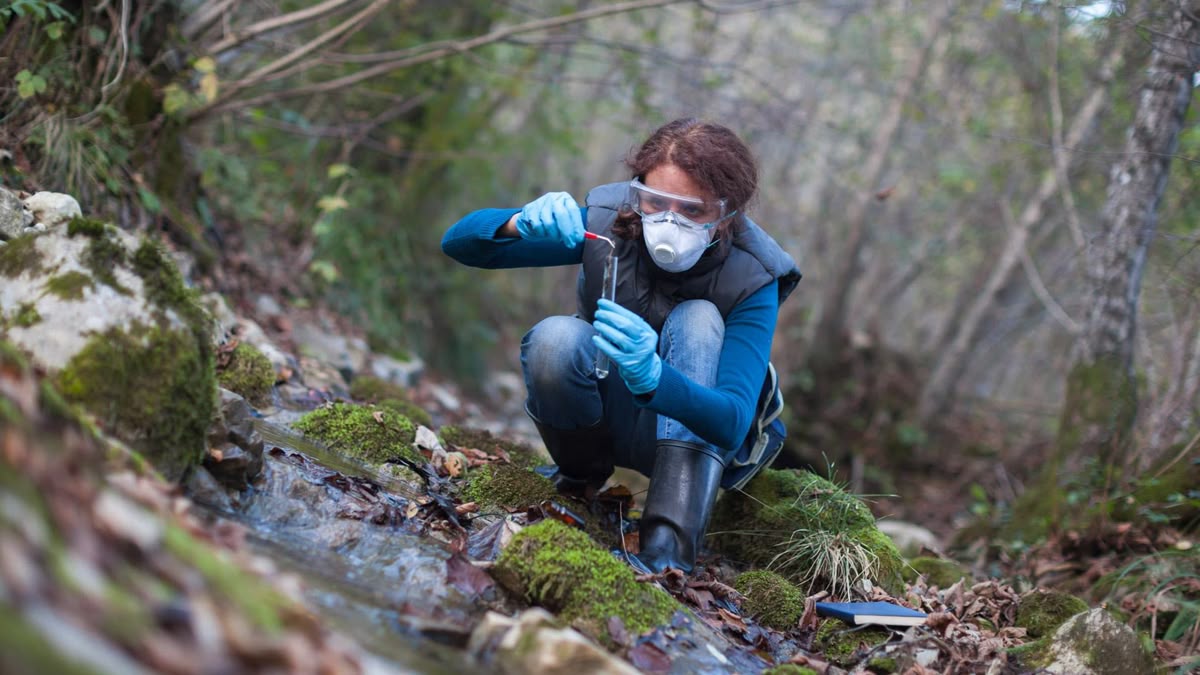
Hands-on experience is a key component of many Climate Science Programs. Students may participate in field observations, environmental monitoring, and climate data collection.
Research Projects and Theses
Advanced programs often include independent research projects or thesis work, allowing students to explore specific climate-related questions in depth.
Collaboration and Applied Projects
Some programs partner with government agencies, research centers, or environmental organizations to provide applied learning opportunities and professional exposure.
Online and Hybrid Climate Science Programs
To meet the needs of working professionals, many institutions offer online or hybrid Climate Science Programs. These flexible formats allow learners to access advanced climate education without relocating.
Advantages of Online Climate Science Programs
- Flexible scheduling
- Access to global datasets and modeling tools
- Virtual labs and simulations
- Collaboration with international faculty and peers
Online programs expand access while maintaining academic and scientific rigor.
Career Paths After Climate Science Programs
Graduates of Climate Science Programs may pursue roles such as:
- Climate Scientist
- Climate Data Analyst
- Environmental Researcher
- Climate Policy Analyst
- Sustainability Consultant
- Climate Risk Specialist
Employment opportunities exist in government agencies, research institutions, international organizations, NGOs, and private sector sustainability teams.
Choosing the Right Climate Science Program
When selecting a program, prospective students should consider curriculum depth, research opportunities, faculty expertise, data and modeling resources, and career outcomes. Programs that emphasize applied research and interdisciplinary learning tend to offer the strongest professional preparation.
The Growing Importance of Climate Science Education
As climate challenges intensify, Climate Science Programs play a critical role in training professionals capable of analyzing complex systems and developing evidence-based solutions. Graduates are essential to advancing climate knowledge, informing policy, and supporting sustainable development worldwide.
Frequently Asked Questions (Q&A)
Q1: What is a Climate Science Program?
A Climate Science Program is an educational pathway focused on understanding climate systems, climate change, and their environmental and societal impacts through scientific study and data analysis.
Q2: What background is needed to study climate science?
Most programs prefer a background in science, engineering, or environmental studies, though interdisciplinary applicants with relevant experience may also be considered.
Q3: Are Climate Science Programs research-oriented?
Yes. Many programs emphasize research, data analysis, and modeling, especially at the graduate level.
Q4: Can Climate Science Programs be studied online?
Yes. Many institutions offer online or hybrid options that provide flexibility while maintaining academic quality.
Q5: What careers are available after completing a Climate Science Program?
Graduates can work in research, policy development, environmental consulting, sustainability planning, and climate risk assessment.