
Clinical Nursing Training is a core component of nursing education that focuses on the application of theoretical knowledge within real healthcare environments. This form of training emphasizes supervised practice, professional skill development, and structured exposure to clinical workflows that support safe and effective patient care.
As healthcare systems become increasingly complex, clinical nursing training plays a critical role in preparing learners to participate responsibly in professional nursing settings through hands-on experience and guided learning.
Overview of Clinical Nursing Training
Clinical Nursing Training refers to supervised educational experiences conducted in healthcare facilities such as hospitals, clinics, long-term care centers, and community health environments. These experiences are designed to reinforce academic learning through practical application.
The primary purpose of clinical training is to help learners transition from classroom-based instruction to real-world nursing practice while maintaining professional and educational standards.
Educational Objectives of Clinical Nursing Training
Clinical nursing education is structured around clearly defined learning objectives that support professional competency development. Common objectives include:
- Applying nursing theory to patient care scenarios
- Developing foundational clinical and technical skills
- Understanding healthcare workflows and team dynamics
- Practicing patient safety and care protocols
- Building professional confidence and accountability
Through these objectives, clinical training supports the integration of knowledge, skills, and professional conduct.
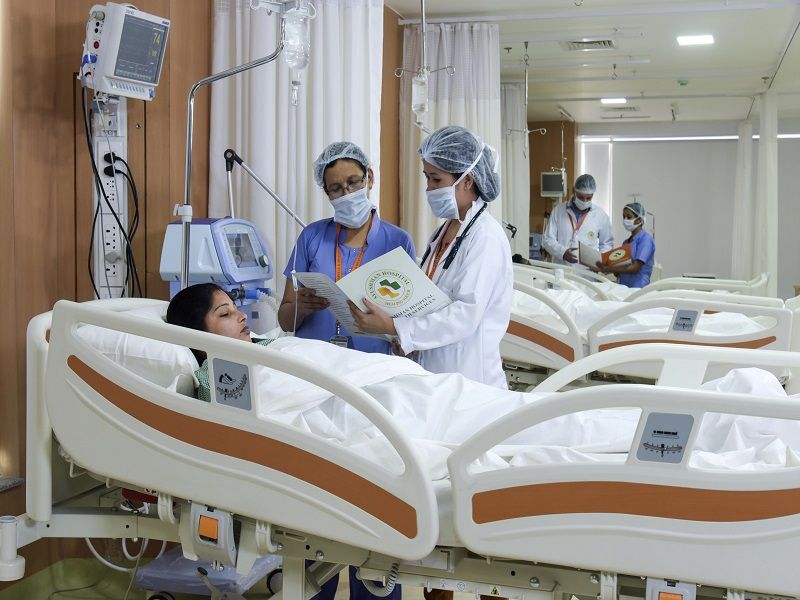
Core Components of Clinical Nursing Training
While specific experiences may vary by program, most clinical nursing training models include several essential components.
Supervised Patient Care Practice
Learners participate in patient care activities under the guidance of licensed nursing professionals. Supervision ensures educational alignment, patient safety, and professional development.
Clinical Skill Development
Training emphasizes essential nursing skills such as patient assessment, vital sign monitoring, basic procedures, and documentation practices.
Professional Communication
Clinical settings provide opportunities for learners to develop communication skills with patients, families, and interdisciplinary healthcare teams.
Safety and Quality Awareness
Clinical nursing training reinforces adherence to safety protocols, infection control practices, and quality standards within healthcare environments.
Learning Environments for Clinical Training
Clinical nursing training may take place across a range of healthcare environments, including:
- Acute care hospitals
- Outpatient clinics
- Long-term care facilities
- Rehabilitation centers
- Community health organizations
Exposure to diverse settings supports a broader understanding of nursing roles and patient care contexts.
The Role of Supervision and Mentorship
Supervision is a defining feature of clinical nursing training. Experienced nursing professionals provide guidance, feedback, and evaluation to support learner development.
Mentorship during clinical training helps learners:
- Refine practical nursing skills
- Understand professional expectations
- Develop ethical awareness
- Gain insight into clinical decision-making
This guided approach ensures training remains educational and aligned with professional standards.
Integration of Clinical Training and Academic Learning
Clinical nursing training is most effective when closely integrated with academic coursework. Theoretical instruction provides a foundation that learners apply and reinforce during clinical experiences.
This integration supports:
- Deeper understanding of nursing concepts
- Improved clinical reasoning
- Stronger skill retention
- Greater professional readiness
By linking theory and practice, clinical training enhances overall nursing education outcomes.
Skills Developed Through Clinical Nursing Training
Participants in clinical nursing training typically develop a range of professional competencies, including:
- Patient assessment and care planning
- Basic clinical procedures and techniques
- Time management in clinical environments
- Professional documentation practices
- Team collaboration and communication
These skills support effective participation in nursing roles across healthcare settings.
Professional Applications of Clinical Nursing Training
Clinical nursing training prepares learners for entry-level nursing roles and supports progression within nursing education pathways. These experiences are essential for understanding the realities of patient care and professional nursing responsibilities.
Career outcomes depend on factors such as educational level, program structure, and applicable regulatory or licensure requirements. Clinical training serves as a foundational element of professional nursing preparation.
The Importance of Clinical Experience in Nursing Education
Hands-on clinical experience remains a central pillar of nursing education. Through direct exposure to patient care environments, learners gain practical insight that cannot be fully replicated through academic instruction alone.
Clinical nursing training supports competence, confidence, and professional awareness, contributing to the overall quality of nursing education.
Considerations When Evaluating Clinical Nursing Training
Individuals exploring nursing education programs may consider several aspects of clinical training, including:
- Scope and variety of clinical placements
- Level of supervision and support
- Alignment with academic coursework
- Learning objectives and evaluation methods
- Institutional standards and partnerships
Thoughtful evaluation helps ensure clinical experiences support educational and professional goals.
Q&A
Q1: What is Clinical Nursing Training?
A: Clinical nursing training involves supervised, hands-on learning experiences in healthcare settings designed to support professional nursing education.
Q2: Why is clinical training important in nursing education?
A: It allows learners to apply theoretical knowledge, develop practical skills, and understand real-world nursing environments.
Q3: Are clinical nursing training experiences supervised?
A: Yes. Training is conducted under the supervision of qualified nursing professionals.
Q4: Where does clinical nursing training take place?
A: Training may occur in hospitals, clinics, long-term care facilities, and community health settings.
Q5: Does clinical nursing training support career readiness?
A: Yes. It helps learners develop practical skills, professional awareness, and confidence needed for nursing practice.