
Diagnostic Imaging Courses refer to structured educational programs designed to introduce learners to the principles, technologies, and professional practices involved in medical imaging. These courses support academic learning and professional preparation for individuals interested in diagnostic imaging within healthcare settings.
Diagnostic imaging plays an essential role in modern healthcare by supporting clinical assessment, treatment planning, and patient monitoring. Educational courses in this field focus on foundational knowledge, technical understanding, and professional awareness rather than employment guarantees or clinical authority.
Overview of Diagnostic Imaging Courses
Diagnostic imaging courses are offered through educational institutions, healthcare training providers, and professional education organizations. They may be delivered as part of certificate programs, associate or undergraduate pathways, or continuing education formats.
The primary purpose of these courses is to provide learners with an academic understanding of imaging technologies, patient care considerations, and healthcare system integration related to diagnostic imaging.
Educational Objectives and Learning Outcomes
Diagnostic imaging courses are designed around clear educational objectives. Common learning goals include:
- Understanding core imaging principles and terminology
- Gaining awareness of imaging modalities and their applications
- Learning basic patient care and safety concepts
- Developing familiarity with healthcare regulations and standards
- Supporting critical thinking in clinical imaging contexts
Learning outcomes emphasize knowledge development and professional readiness within educational boundaries.
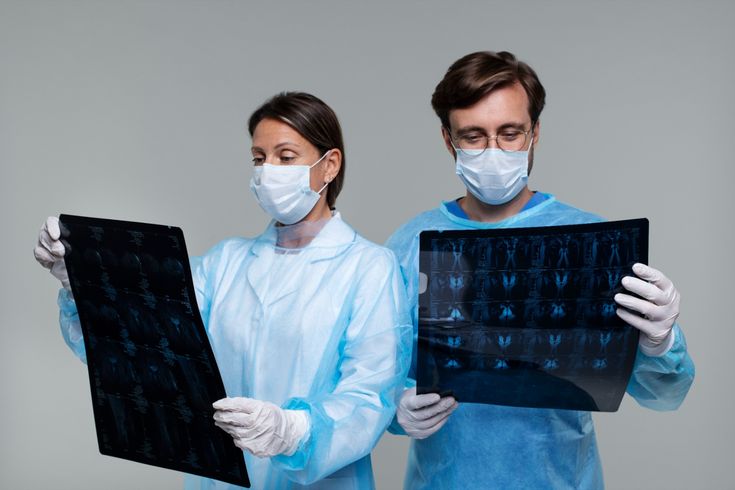
Core Subject Areas in Diagnostic Imaging Courses
While course content varies by program type and academic level, most diagnostic imaging courses include several core subject areas.
Imaging Modalities
Courses commonly introduce imaging technologies such as radiography, computed tomography (CT), magnetic resonance imaging (MRI), ultrasound, and nuclear medicine at a conceptual level.
Anatomy and Physiology
Learners study human anatomy and physiology to understand how imaging supports clinical evaluation and diagnosis.
Radiation Safety and Protection
Educational content addresses radiation principles, safety awareness, and regulatory considerations related to imaging environments.
Patient Care and Communication
Courses emphasize patient positioning, communication, and ethical considerations within imaging settings.
Learning Formats and Course Delivery
Diagnostic imaging courses may be delivered through various instructional formats, including:
- Classroom‑based instruction
- Online or blended learning models
- Laboratory or simulation‑based activities
- Structured assessments and academic evaluations
Online and hybrid options allow learners to access theoretical instruction while recognizing the importance of supervised practical education in imaging fields.
Skills and Competencies Supported by Diagnostic Imaging Courses
Through structured coursework, learners may develop competencies such as:
- Technical understanding of imaging systems
- Foundational clinical reasoning skills
- Attention to safety and quality standards
- Professional communication within healthcare teams
- Awareness of ethical and legal considerations
These competencies support academic progression and informed participation in healthcare education pathways.
Applications Across Healthcare Education
Diagnostic imaging courses are relevant within a range of healthcare education contexts, including:
- Allied health education programs
- Medical and nursing education support courses
- Continuing education for healthcare professionals
- Healthcare technology and imaging support training
Educational outcomes depend on course scope, academic level, and integration with broader healthcare curricula.
The Role of Diagnostic Imaging Education in Healthcare Systems
Diagnostic imaging education supports healthcare systems by promoting standardized knowledge and professional awareness. Educational courses contribute to workforce preparedness by aligning learning with current healthcare practices and regulatory expectations.
By emphasizing safety, accuracy, and professional conduct, diagnostic imaging courses support responsible participation in healthcare environments.
Considerations When Evaluating Diagnostic Imaging Courses
Individuals exploring diagnostic imaging courses may consider several factors, including:
- Academic scope and learning objectives
- Course format and scheduling flexibility
- Instructional resources and faculty expertise
- Alignment with long‑term educational goals
- Integration with hands‑on or clinical education requirements
Thoughtful evaluation ensures that educational choices support meaningful learning outcomes.
Diagnostic Imaging Courses and Lifelong Learning
Healthcare imaging technologies continue to evolve. Diagnostic imaging courses support lifelong learning by introducing foundational concepts that can be expanded through advanced education and professional development.
Ongoing education contributes to adaptability and informed participation in imaging‑related healthcare roles.
Conclusion
Diagnostic Imaging Courses provide structured educational foundations for understanding medical imaging within healthcare systems. Through academic instruction and professional orientation, these courses support knowledge development, safety awareness, and healthcare education continuity.
As part of broader medical and allied health education pathways, diagnostic imaging courses play an important role in supporting informed and responsible healthcare practice.
Q&A
Q1: What are Diagnostic Imaging Courses?
A: They are educational programs that introduce imaging principles, technologies, and professional considerations within healthcare.
Q2: Are diagnostic imaging courses suitable for beginners?
A: Many courses are designed to provide foundational knowledge and may be suitable for learners exploring healthcare education pathways.
Q3: Do diagnostic imaging courses include clinical practice?
A: Some programs integrate practical components, while others focus on academic instruction. Requirements vary by course.
Q4: Can diagnostic imaging courses be offered online?
A: Yes. Many programs offer online or hybrid formats for theoretical instruction.
Q5: What is the purpose of diagnostic imaging education?
A: The purpose is to support knowledge development, safety awareness, and professional understanding within healthcare imaging contexts.