 By Ama Mensah
ESL (English as a Second Language) specialist empowering adult learners through conversational practice.
By Ama MensahESL (English as a Second Language) specialist empowering adult learners through conversational practice.
Digital Medical Learning Platforms Education refers to the use of structured digital systems and online technologies to support medical and healthcare education. These platforms provide organized learning environments where educational content, assessments, and interactive tools are delivered through digital interfaces to support academic instruction and professional development in healthcare fields.
As healthcare education continues to evolve alongside technological advancement, digital medical learning platforms have become an important component of contemporary medical and allied health education systems.
Digital medical learning platforms are designed to facilitate medical education through web‑based or software‑based systems. These platforms may be used in undergraduate medical education, graduate programs, continuing education, and professional training across healthcare disciplines.
The educational purpose of these platforms is to support knowledge acquisition, skills development, and academic engagement through accessible and structured digital learning environments.
Digital Medical Learning Platforms Education is guided by educational objectives that emphasize effective learning and professional relevance. Common goals include:
Learning outcomes typically focus on knowledge comprehension, analytical thinking, and the application of concepts within healthcare contexts.
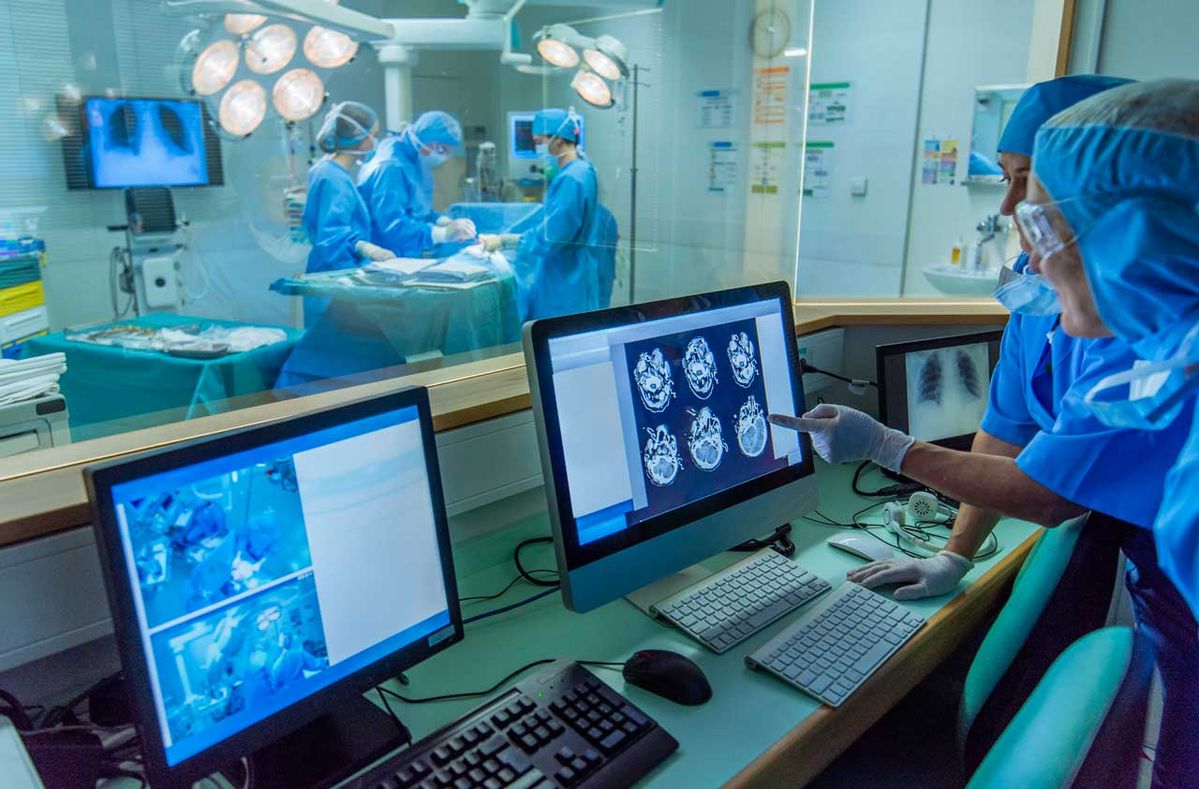
While platform design varies, digital medical learning platforms often share several foundational features.
Platforms provide organized modules, lectures, readings, and multimedia resources aligned with defined learning objectives.
Many systems incorporate quizzes, case studies, discussion forums, and simulations to support active learning.
Digital platforms commonly include assessment tools that allow learners to evaluate progress and receive feedback.
Educational platforms may track learner participation, completion status, and performance metrics to support academic oversight.
Digital Medical Learning Platforms Education is used across a wide range of healthcare education settings, including:
These platforms support both initial education and ongoing learning throughout healthcare careers.
Digital medical learning platforms support multiple instructional formats, such as:
Flexible delivery models allow learners to engage with educational content alongside academic or professional responsibilities.
Participants using digital medical learning platforms typically develop a range of competencies, including:
These skills support effective participation in modern healthcare education and practice.
Digital learning platforms offer several educational advantages, including:
When integrated appropriately, digital platforms enhance educational reach while maintaining academic structure.
While digital medical learning platforms provide many benefits, educational planning should also consider potential limitations, such as:
Balanced program design ensures digital learning supports, rather than replaces, essential experiential education.
As healthcare systems continue to integrate technology, digital medical learning platforms are expected to play an increasingly important role in medical education. These platforms support adaptable, data‑informed educational approaches that align with evolving healthcare needs.
Education delivered through digital platforms contributes to workforce readiness, knowledge dissemination, and continuous professional development across healthcare sectors.
Individuals and institutions evaluating digital medical learning platforms may consider factors such as:
Thoughtful evaluation supports effective and sustainable educational implementation.
Q1: What is Digital Medical Learning Platforms Education?
A: It refers to the use of digital systems and online platforms to deliver structured medical and healthcare education.
Q2: Who uses digital medical learning platforms?
A: Students, healthcare professionals, and educators across medical, nursing, allied health, and public health fields.
Q3: Do digital platforms replace clinical training?
A: No. Digital platforms complement traditional education and typically require integration with hands‑on or supervised learning.
Q4: Are digital medical learning platforms suitable for continuing education?
A: Yes. They are commonly used to support ongoing professional development and knowledge updates.
Q5: Why are digital learning platforms important in medical education?
A: They enhance accessibility, flexibility, and scalability while supporting structured and evidence‑based education.