 By Dr. James Wilson
Renowned surgeon and professor dedicated to training the next generation of surgical leaders.
By Dr. James WilsonRenowned surgeon and professor dedicated to training the next generation of surgical leaders.
Italian courses near me is a commonly used search phrase referring to locally accessible opportunities for learning the Italian language. The phrase highlights geographic proximity or local availability rather than any specific institution, curriculum, or instructional quality.
This article provides an objective overview of Italian language courses by outlining their learning objectives, core instructional content, delivery formats, and broader linguistic and cultural context. The discussion follows a neutral, explanatory structure to support general understanding.
Italian courses are designed to support language acquisition across multiple competencies, including listening, speaking, reading, and writing. Educational objectives typically vary according to course level, instructional design, and institutional framework.
Common learning goals include:
Courses described as “near me” generally indicate local access rather than standardized outcomes.
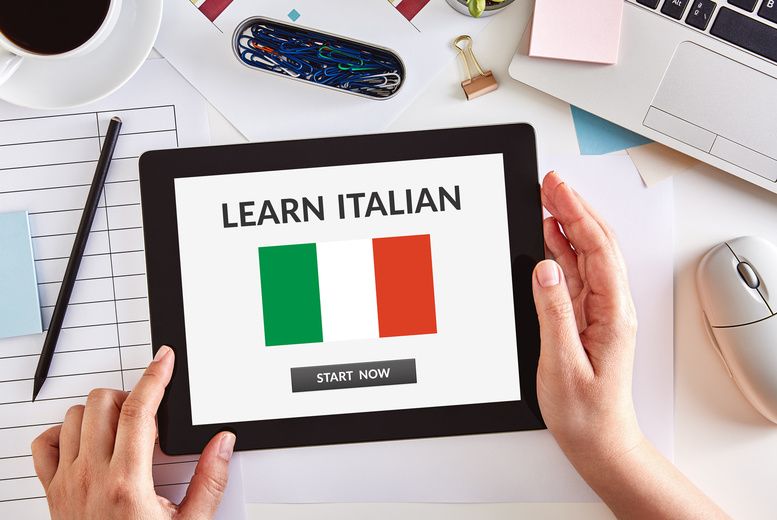
Italian language courses commonly address several foundational components, including:
These elements form the instructional basis of most introductory and intermediate Italian courses.
Italian courses available locally may be offered through a range of instructional formats, such as:
Instructional format selection depends on institutional design rather than a universal standard.
Italian language education is often informed by internationally recognized language proficiency frameworks. One commonly referenced model is the Common European Framework of Reference for Languages (CEFR), which categorizes language proficiency into defined levels.
Organizations that provide resources and guidance related to Italian language and culture include:
These organizations contribute to cultural and educational exchange but do not regulate all Italian courses globally.
Participation in Italian courses does not imply uniform proficiency outcomes, as progress depends on instructional design, duration, and learner engagement.
Italian courses available in a local area provide structured opportunities to study the Italian language within organized educational settings. By addressing grammar, vocabulary, pronunciation, and cultural context, these courses support foundational language understanding.
As language education continues to evolve, local Italian courses may adapt in format and instructional approach. Understanding their general structure and scope supports informed discussion of language learning opportunities.
What does “Italian courses near me” usually refer to?
It refers to Italian language learning options accessible within a specific geographic area.
Are Italian courses standardized across locations?
No. Curriculum design and instructional depth vary by institution and region.
Do Italian courses focus only on speaking skills?
Most programs include speaking, grammar, reading, and writing components.
Is cultural context included in Italian courses?
Many courses include cultural elements to support language comprehension.
Are different proficiency levels available?
Programs are often organized by defined proficiency stages, depending on course design.