 By Claire Simmons
Sales enablement director with a proven track record in B2B sales technique and negotiation skills workshops.
By Claire SimmonsSales enablement director with a proven track record in B2B sales technique and negotiation skills workshops.
Korean language courses provide learners with a structured and effective pathway to mastering one of the fastest-growing languages in global popularity. With South Korea’s influence expanding across technology, entertainment, education, healthcare, and international business, the demand for high-quality Korean language education continues to rise worldwide.
Through systematic instruction and progressive learning stages, Korean language courses help learners develop practical communication skills, cultural understanding, and long-term language proficiency suitable for both personal and professional use.
Korean language courses are structured educational programs designed to build proficiency in listening, speaking, reading, and writing Korean. These programs guide learners step by step, from understanding the Korean writing system to achieving confident communication in real-life situations.
Unlike unstructured self-study methods, Korean language courses follow clearly defined curricula, ensuring balanced development across all core language skills with consistent guidance and measurable outcomes.
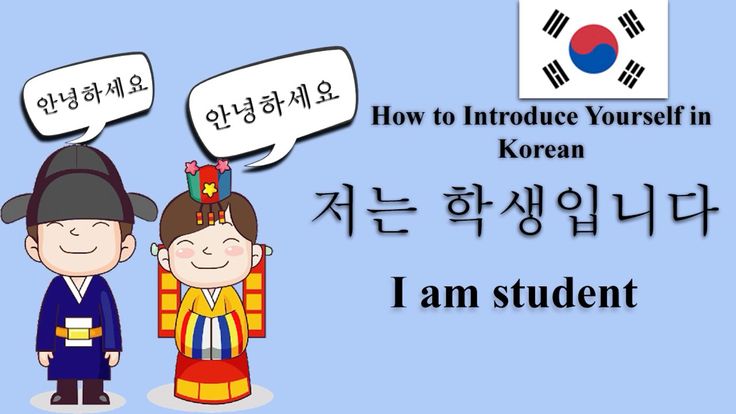
Korean language courses are typically offered at different proficiency levels and learning focuses:
A comprehensive Korean language course curriculum typically includes:
Clearly defined learning objectives help learners track progress and achieve sustainable language development at each level.
Korean language courses are available in multiple learning formats to suit different schedules and preferences:
These flexible formats make Korean language education accessible to students, professionals, and lifelong learners around the world.
Structured Korean language courses offer a wide range of benefits:
Course-based learning supports consistent progress and reduces common challenges faced in independent study.
Korean language courses are suitable for a wide range of learners, including:
Programs are available for beginners through advanced learners, regardless of prior language experience.
Q: Are Korean language courses suitable for beginners?
A: Yes. Many Korean language courses are designed specifically for learners with no prior knowledge.
Q: Is learning Hangul difficult?
A: Hangul is considered one of the most logical writing systems and can be learned relatively quickly through structured courses.
Q: Can Korean language courses be taken online?
A: Yes. Online Korean language courses are widely available and offer flexible study options.
Q: How long does it take to learn Korean?
A: Learning time varies, but consistent study through structured courses supports steady progress.