 By Rajesh Raj Hassan
Polyglot and language app developer fluent in 7 languages, specializing in Hindi and Arabic instruction.
By Rajesh Raj HassanPolyglot and language app developer fluent in 7 languages, specializing in Hindi and Arabic instruction.
MRI Certification Programs are structured educational and assessment pathways designed to validate professional knowledge and technical competence in magnetic resonance imaging (MRI). These programs focus on standardized learning outcomes, professional readiness, and formal recognition of skills required for participation in diagnostic imaging environments.
As MRI technology continues to evolve and expand within healthcare systems, certification programs serve as an important component of professional development and workforce standardization in medical imaging.
MRI Certification Programs are designed to support individuals seeking formal recognition of their knowledge and skills related to MRI technology. These programs typically emphasize academic preparation, applied learning, and competency assessment aligned with professional imaging standards.
Certification programs may be pursued by individuals entering the imaging field or by those seeking to expand their professional qualifications within diagnostic imaging.
The primary goal of MRI certification education is to ensure that participants demonstrate a comprehensive understanding of MRI principles and professional practice. Common objectives include:
Through certification-focused education, learners validate their readiness to participate responsibly in MRI-related roles.
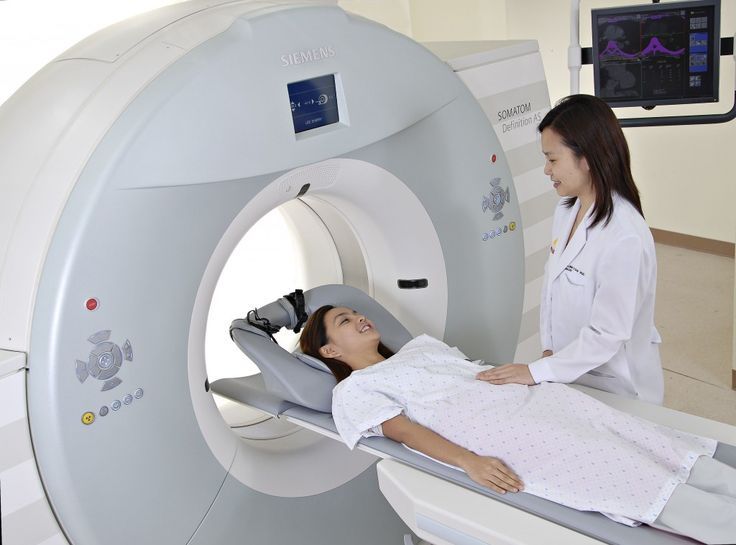
While program structures may vary, MRI Certification Programs commonly address several foundational subject areas.
Participants study the scientific principles behind magnetic resonance imaging, including magnetism, radiofrequency signals, gradient systems, and image reconstruction concepts.
Anatomy education focuses on understanding how MRI images represent anatomical structures across different planes. This knowledge supports accurate image interpretation and procedural alignment.
Certification programs introduce standardized MRI procedures, exam preparation processes, and protocol considerations relevant to diagnostic imaging practice.
MRI environments involve specific safety considerations. Certification education emphasizes patient screening, magnetic field awareness, and adherence to established safety practices.
MRI Certification Programs may be offered through various learning models depending on institutional design and professional requirements. Common structures include:
These pathways are designed to support different learning preferences while maintaining consistent educational standards.
A central component of MRI Certification Programs is formal assessment. These assessments are designed to evaluate knowledge, critical thinking, and professional understanding related to MRI practice.
Assessment methods may include:
Successful completion demonstrates alignment with established professional expectations and imaging knowledge standards.
Certification programs reinforce both technical understanding and professional competencies, including:
These competencies support reliable and standardized imaging practices.
MRI certification supports professional participation in diagnostic imaging environments such as hospitals, outpatient imaging centers, and specialized diagnostic facilities. Certification may serve as a formal acknowledgment of imaging knowledge and professional preparation.
Career outcomes depend on factors such as prior education, professional experience, and applicable regulatory or organizational requirements. Certification education complements formal training and supports professional credibility.
Certification programs contribute to ongoing professional development by encouraging structured learning and knowledge validation. In rapidly advancing imaging fields, certification supports consistency, quality assurance, and professional accountability.
MRI Certification Programs help establish a foundation for continued learning and adaptation to technological advancements in diagnostic imaging.
Individuals exploring certification programs may consider factors such as:
Careful evaluation supports informed decision-making when selecting certification pathways.
Q1: What is the purpose of MRI Certification Programs?
A: They are designed to validate knowledge and professional understanding of MRI technology and imaging practices.
Q2: Do MRI Certification Programs include training or only assessment?
A: Some programs include instructional components, while others focus on assessment and certification preparation.
Q3: Are MRI certification programs suitable for career advancement?
A: Certification may support professional development by formally recognizing imaging-related knowledge and competencies.
Q4: Can MRI certification programs be completed online?
A: Some academic or review components may be offered online, depending on program structure.
Q5: Do MRI Certification Programs replace formal imaging education?
A: Certification typically complements formal education and training rather than replacing comprehensive imaging programs.