 By Chloe Davis
Contemporary dance choreographer and instructor exploring movement as a form of emotional expression.
By Chloe DavisContemporary dance choreographer and instructor exploring movement as a form of emotional expression.
Occupational therapy assistant (OTA) programs are structured educational pathways designed to provide learners with the theoretical knowledge, technical skills, and supervised practical experience associated with supporting occupational therapists in assisting individuals to perform meaningful daily activities. These programs focus on preparing individuals to understand basic healthcare science, assistive techniques, client communication, and the implementation of therapeutic activities under professional supervision.
This page explains:
All information is provided for educational purposes only and does not imply endorsement, recommendation, or any guarantee of outcomes.
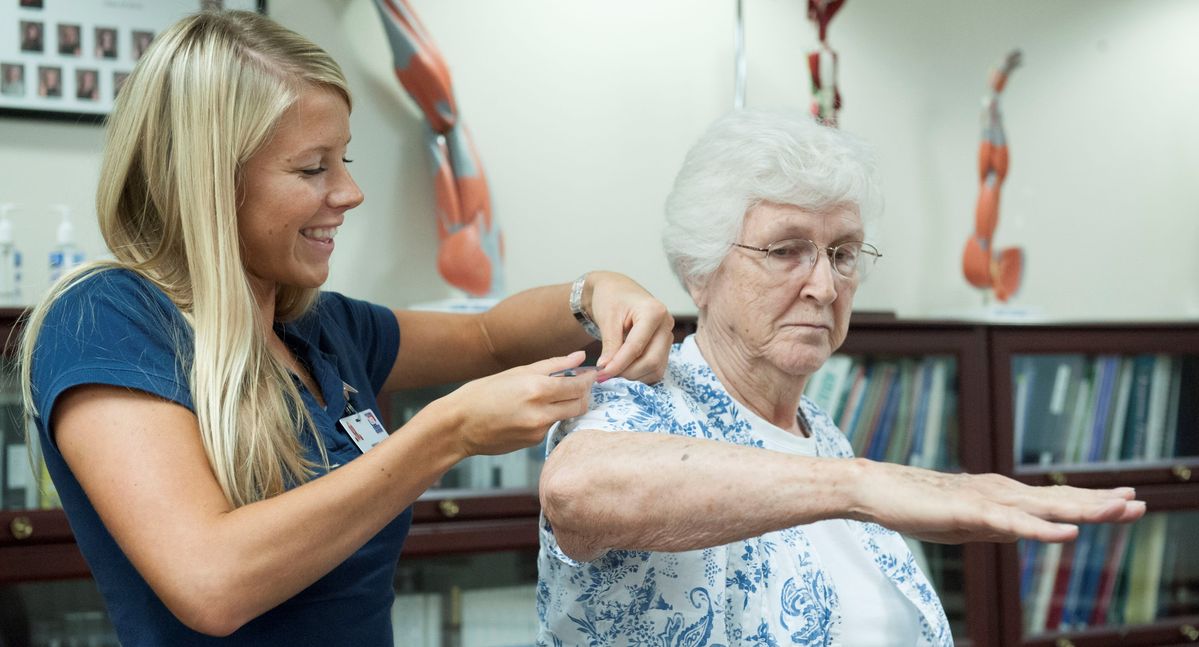
Occupational therapy (OT) is a healthcare discipline focused on enabling individuals of all ages to participate in daily tasks that are meaningful to them despite physical, cognitive, or emotional challenges. Occupational therapists assess a person’s functional abilities and design intervention plans to improve independence in everyday activities.
An occupational therapy assistant works under the supervision of an occupational therapist to implement components of therapy plans, assist with activity engagement, monitor progress, and support adaptation of tasks or environment. Assistants do not diagnose conditions but support therapeutic interventions established by licensed therapists.
The American Occupational Therapy Association (AOTA) outlines the scope of practice for assistants and the collaborative relationship with occupational therapists.
🔗 Source: https://www.aota.org/about-occupational-therapy
OTA education is typically postsecondary and may be offered through community colleges, technical institutes, or accredited health science programs. The goal is to equip learners with a blend of healthcare theory and hands-on skills relevant to occupational therapy support roles. The curriculum is designed in alignment with standards that emphasize safe, ethical, and client-centered practice.
In the United States, the Accreditation Council for Occupational Therapy Education (ACOTE) accredits OTA programs and defines essential educational competencies.
🔗 Source: https://acoteonline.org/
Although program details vary by institution, accredited OTA programs typically include a combination of didactic coursework and supervised clinical experience:
These components reflect the core competencies expected of occupational therapy assistants and align with national educational standards.
Instruction typically integrates multiple methods:
Assessment approaches vary but may include written examinations, skills demonstrations, reflective journals, project work, and supervisor evaluations during clinical rotations.
Accreditation ensures that OTA programs meet defined educational standards and prepares students with knowledge and skills consistent with professional expectations. In the United States, ACOTE establishes standards for:
Successful completion of an accredited program is often a prerequisite for eligibility to pursue certification examinations and for entry into practice under regulatory frameworks.
OTA practice is governed by licensure or certification requirements which differ by region and regulatory authority. Educational completion alone does not confer independent professional authority but positions individuals to function as part of a healthcare team under supervision.
The National Board for Certification in Occupational Therapy (NBCOT) provides information on certification pathways and credentialing for OTAs.
🔗 Source: https://www.nbcot.org/
OTA programs vary in length, scheduling format (day, evening, hybrid, or online‑augmented), and available specializations. Some programs may include additional training modules related to assistive technology, pediatric support, or aging‑related interventions, depending on institutional offerings.
Prospective learners should consult educational institutions and regulatory authorities for specifics about eligibility criteria, clinical placement arrangements, and local practice regulations.
Occupational therapy assistant programs are structured educational pathways that combine theoretical foundations, practical skills training, and supervised clinical experience to support roles in occupational therapy service delivery. They are positioned within broader healthcare education systems and governed by accreditation and regulatory quality frameworks.
The field of occupational therapy continues to evolve in response to changing healthcare needs, interdisciplinary collaboration, and emerging practice settings. Educational programs adapt accordingly to maintain relevance with contemporary service delivery models, technology integration, and evidence‑based practice frameworks.
What is the focus of occupational therapy assistant programs?
They focus on preparing learners to support occupational therapists by implementing components of therapeutic activity plans and assisting clients with daily performance tasks.
Are occupational therapy assistant programs clinical degree programs?
They are postsecondary educational programs that include clinical practicums, but they are distinct from professional degrees in occupational therapy.
Do OTA programs include hands‑on training?
Yes. Supervised clinical fieldwork or practicum experiences are integral parts of most accredited programs.
Is accreditation important for OTA programs?
Yes. Accreditation by recognized authorities such as ACOTE helps ensure educational quality and alignment with professional standards.
Where can authoritative information on OTA education be found?
Sources include AOTA, ACOTE, NBCOT, and accredited educational institutions.