 By Dr. Leila Al-Farsi
Public health expert and educator specializing in community medicine and preventive care strategies.
By Dr. Leila Al-FarsiPublic health expert and educator specializing in community medicine and preventive care strategies.
Patient care career training is a vital component of modern healthcare education, designed to prepare individuals for hands-on, patient-centered roles across medical and healthcare settings. As healthcare systems increasingly prioritize quality care, safety, and patient experience, structured patient care training programs play a critical role in workforce development.
This article explores the purpose, structure, learning formats, and professional relevance of patient care career training, highlighting how these programs support job readiness and long-term career growth in healthcare.
Patient care career training refers to specialized education programs that focus on preparing learners for direct patient support and care-related roles within healthcare environments. These programs emphasize practical skills, applied medical knowledge, and professional behaviors essential for patient interaction.
Unlike general medical education, patient care career training is career-oriented and skill-focused, aiming to equip learners with competencies that can be immediately applied in clinical and care settings.
Patient care career training programs cover a wide range of healthcare support and clinical assistance roles, suitable for both entry-level learners and those seeking career advancement.
Foundational Patient Care Training
These programs introduce learners to basic patient care concepts, including medical terminology, patient safety, infection control, and communication fundamentals.
Direct Patient Support Training
This category focuses on hands-on patient assistance, daily care activities, vital sign monitoring, and coordination with clinical teams.
Clinical Support and Assistance Programs
Some patient care career training programs prepare learners to assist healthcare professionals during examinations, treatments, and routine clinical procedures.
Long-Term and Community Care Training
Programs may also address patient care in long-term care facilities, rehabilitation centers, or community-based healthcare environments.
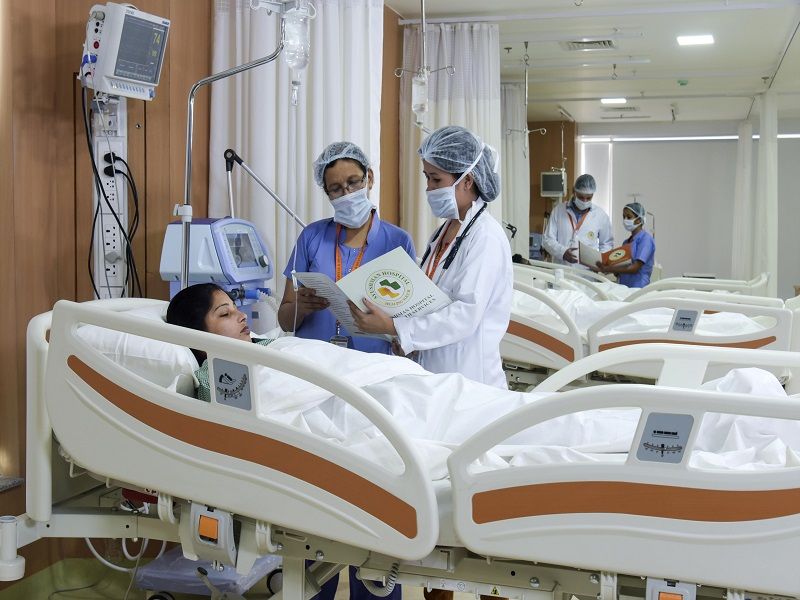
Patient care career training programs are typically built around competency-based curricula that integrate theoretical instruction with practical application.
Medical Knowledge Foundations
Learners study core topics such as human anatomy basics, common health conditions, patient mobility, and healthcare procedures.
Hands-On Patient Care Skills
Practical training is a central element, allowing learners to practice patient care techniques through simulations, laboratory practice, and supervised activities.
Professional Conduct and Ethics
Programs emphasize patient dignity, ethical care delivery, confidentiality, and compliance with healthcare regulations.
Healthcare Technology Awareness
Many programs include exposure to electronic health records and basic healthcare documentation systems.
Patient care career training programs are offered through various instructional formats to meet diverse learner needs.
In-Person Training Programs
Traditional classroom learning combined with practical labs remains a common delivery model.
Hybrid and Online Learning Models
Some programs offer online coursework for theoretical content while maintaining in-person requirements for skills training.
Flexible Scheduling Options
Evening, weekend, part-time, and accelerated formats are often available to support working learners.
Hands-on experience is a defining feature of patient care career training. Programs typically include supervised practical training, simulations, or applied learning experiences in healthcare environments.
Practical exposure allows learners to build confidence, refine care techniques, and understand real-world patient needs. This experience enhances readiness for professional roles and supports smoother transitions into healthcare workplaces.
Patient care career training prepares individuals for employment in a wide range of healthcare settings, including hospitals, clinics, outpatient centers, long-term care facilities, and home care services.
Graduates often possess role-specific skills aligned with employer expectations. Patient care career training also provides a foundation for continued education, professional development, and specialization within healthcare careers.
When selecting a patient care career training program, learners should consider curriculum relevance, quality of practical training, instructional support, and alignment with personal career goals.
Additional factors may include program duration, learning format, access to hands-on experience, and institutional credibility. A strong program balances knowledge acquisition with meaningful patient care practice.
Q1: What is the main goal of patient care career training?
The primary goal is to prepare learners with practical skills for direct patient support roles.
Q2: Does patient care career training include hands-on practice?
Yes. Hands-on patient care experience is a core component of these programs.
Q3: Are online options available?
Many programs offer hybrid models that combine online coursework with in-person training.
Q4: Can patient care career training support career advancement?
Yes. It provides a foundation for further training, certification, and specialization.
Q5: Who should consider patient care career training?
Individuals seeking patient-focused, practical healthcare careers should consider these programs.