 By Yasmin Haddad
Oud player and vocalist teaching the fundamentals of Middle Eastern music and Maqam scales.
By Yasmin HaddadOud player and vocalist teaching the fundamentals of Middle Eastern music and Maqam scales.
Pet hospitals in local areas refer to veterinary medical facilities that provide healthcare services for companion animals within a given geographic vicinity. These facilities are designed to address a range of animal health needs through clinical evaluation, medical treatment, and preventive care.
This article outlines the general purpose of pet hospitals, the types of services they commonly provide, their operational structure, and key considerations when understanding local veterinary care environments.
Pet hospitals primarily serve as centralized locations for animal healthcare. Their scope typically includes:
The range of services offered may vary depending on facility size, staffing, and available medical resources.
Local pet hospitals often offer a combination of the following service categories:
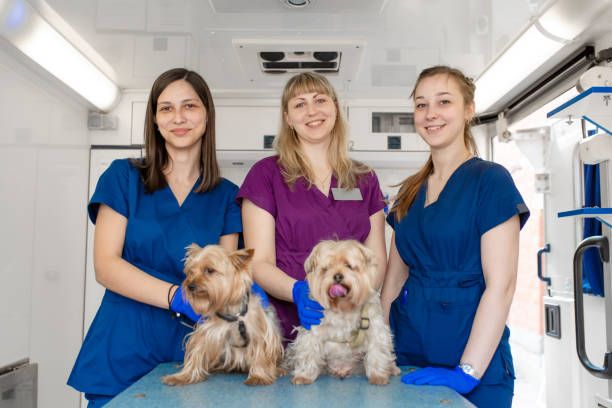
Pet hospitals typically operate with multidisciplinary veterinary teams, which may include:
The coordination among these roles supports comprehensive animal care and continuity of medical records.
When discussing pet hospitals in nearby areas, several general factors are often considered:
These factors influence how local pet hospitals function within broader animal healthcare networks.
Local pet hospitals often serve as primary points of contact for animal healthcare. They may coordinate with specialty clinics, diagnostic laboratories, or emergency centers as part of an extended veterinary care system.
Their role is shaped by regional demand, regulatory frameworks, and professional veterinary standards.
What does “pet hospitals near me” generally refer to?
It refers to veterinary medical facilities located within a nearby geographic area that provide healthcare services for animals.
Do all pet hospitals offer the same services?
No. Service availability varies depending on facility size, equipment, and staffing.
Are pet hospitals limited to emergency care?
Many facilities provide both routine medical services and urgent care, depending on their operational scope.
How do pet hospitals differ from other veterinary clinics?
Differences may include facility scale, service range, and availability of advanced medical equipment.
What role do local pet hospitals play in animal healthcare?
They commonly function as accessible centers for diagnosis, treatment, and ongoing health management.