
Imaging Technology Education refers to structured educational pathways designed to prepare learners for professional roles involving medical imaging systems and diagnostic support technologies. These programs focus on developing theoretical knowledge, technical awareness, and practical competencies required to support imaging-based healthcare services.
As medical imaging continues to play an essential role in diagnosis, treatment planning, and patient monitoring, imaging technology education serves as a critical component of modern healthcare workforce development.
Overview of Imaging Technology Education
Imaging Technology Education encompasses academic instruction and applied training related to diagnostic imaging modalities and supporting technologies. These programs are offered through colleges, universities, and professional training institutions as part of broader healthcare and allied health education systems.
The primary goal of imaging technology education is to prepare learners to understand imaging principles, operate within clinical imaging environments, and support safe, accurate, and ethical diagnostic practices under appropriate supervision.
Educational Objectives and Learning Outcomes
Imaging technology education programs are designed with clear educational objectives that support professional readiness. Common learning goals include:
- Understanding core principles of medical imaging technologies
- Developing foundational technical and analytical skills
- Learning patient-centered imaging practices
- Promoting safety, quality, and ethical awareness
- Supporting interdisciplinary collaboration in clinical settings
Learning outcomes emphasize both knowledge acquisition and applied competence within healthcare imaging environments.
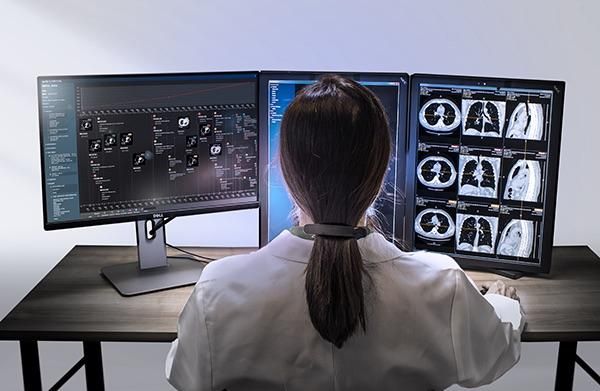
Core Areas of Instruction in Imaging Technology Education
Although curricula vary by program focus, imaging technology education typically includes several key instructional domains.
Imaging Science Fundamentals
Learners study basic imaging physics, equipment concepts, and image formation principles that underpin diagnostic imaging technologies.
Anatomy and Physiology for Imaging
Education includes anatomy and physiology content tailored to imaging applications, supporting accurate image interpretation and procedural awareness.
Imaging Procedures and Techniques
Programs introduce common imaging procedures, workflow concepts, and positioning principles relevant to diagnostic and clinical support roles.
Safety and Quality Standards
Instruction emphasizes radiation awareness, equipment safety, infection control, and quality assurance practices within imaging environments.
Practical and Clinical Learning Components
Imaging Technology Education often integrates practical learning experiences to reinforce academic instruction. These may include laboratory simulations, equipment demonstrations, or supervised clinical exposure depending on program structure.
Practical components support:
- Application of theoretical knowledge
- Familiarity with imaging environments
- Observation of professional imaging workflows
- Development of professional conduct and responsibility
Supervised learning ensures alignment with educational and healthcare standards.
Learning Formats and Program Delivery Models
Imaging technology education programs are delivered through a range of instructional formats to accommodate different learner needs. Common models include:
- On-campus classroom and laboratory instruction
- Hybrid programs combining online coursework with in-person training
- Online theoretical education paired with supervised practical experiences
While online learning platforms may support academic instruction, applied training typically requires structured, hands-on participation.
Skills Developed Through Imaging Technology Education
Participants in imaging technology education programs typically develop a range of technical and professional competencies, including:
- Basic imaging equipment awareness
- Patient communication and positioning principles
- Attention to safety and procedural accuracy
- Professional documentation practices
- Collaboration within healthcare teams
These competencies support effective participation in imaging-related healthcare roles.
Professional Applications of Imaging Technology Education
Imaging Technology Education prepares learners for roles within hospitals, diagnostic imaging centers, outpatient clinics, and other healthcare environments that rely on imaging services.
Professional outcomes depend on factors such as educational level, program focus, clinical exposure, and applicable regulatory or credentialing requirements. Imaging technology education provides foundational preparation that supports progression within imaging and allied health career pathways.
The Role of Imaging Technology in Healthcare Systems
Medical imaging technologies play a vital role in supporting diagnostic accuracy, clinical decision-making, and patient care coordination. Education in imaging technology helps ensure that healthcare systems maintain a knowledgeable workforce capable of supporting these technologies responsibly and effectively.
As imaging technologies continue to advance, education remains essential for maintaining quality and safety in imaging-based services.
Considerations When Evaluating Imaging Technology Education Programs
Individuals exploring imaging technology education pathways may consider several important factors, including:
- Curriculum scope and technical focus
- Balance between theory and applied training
- Access to laboratory or clinical learning environments
- Faculty expertise and instructional support
- Alignment with long-term educational or professional goals
Thoughtful evaluation supports informed educational planning.
The Importance of Education in Imaging Technology Fields
Well-structured imaging technology education programs contribute to the development of competent, safety-conscious healthcare professionals. By emphasizing foundational knowledge, applied skills, and professional standards, these programs support the effective use of imaging technologies in clinical care.
Education remains a cornerstone of quality and innovation within medical imaging services.
Q&A
Q1: What is Imaging Technology Education?
A: Imaging technology education provides structured learning focused on medical imaging principles, technologies, and clinical support practices.
Q2: Does Imaging Technology Education include practical training?
A: Many programs include laboratory or supervised practical components to support applied learning.
Q3: Are Imaging Technology Education programs offered online?
A: Some programs offer online or hybrid formats for theoretical instruction, while practical training often requires in-person participation.
Q4: Who may benefit from Imaging Technology Education?
A: These programs benefit individuals pursuing education or professional development within medical imaging or allied health fields.
Q5: Does Imaging Technology Education support long-term career development?
A: Yes. It provides foundational knowledge and skills that support continued learning and advancement in imaging-related healthcare roles.