 By Willow Running Deer
Facilitator using indigenous circle practices to teach consensus-building, communication, and ethical leadership.
By Willow Running DeerFacilitator using indigenous circle practices to teach consensus-building, communication, and ethical leadership.
An MRI Technologist Training Program is a structured educational pathway designed to prepare learners for professional roles involving magnetic resonance imaging (MRI) technology. These programs focus on developing theoretical understanding, technical competence, and professional awareness required to support diagnostic imaging services within healthcare environments.
As MRI continues to play an essential role in modern diagnostic imaging, formal training programs provide the academic and practical foundation necessary for responsible and effective participation in this specialized field.
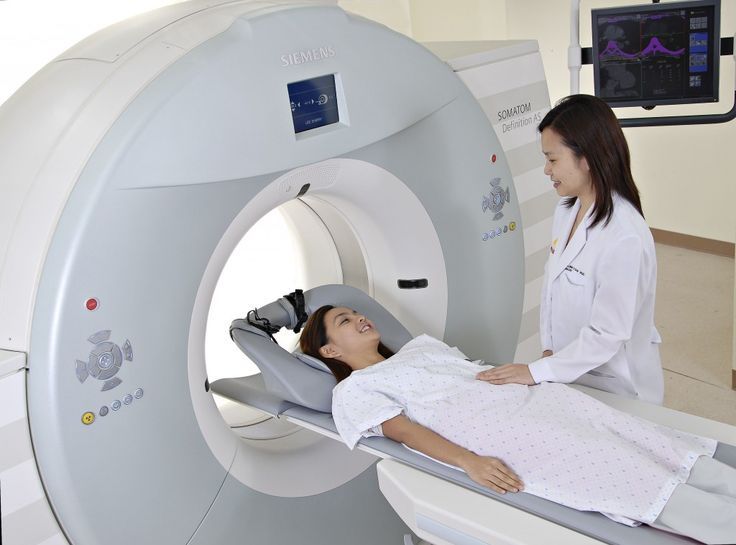
MRI technologist training programs are designed to educate individuals in the principles and practices of magnetic resonance imaging. These programs typically combine classroom-based instruction with supervised practical learning to ensure balanced professional preparation.
MRI technologists work in collaboration with physicians, radiologists, and other healthcare professionals to produce diagnostic images that support clinical decision-making. Training programs are structured to reflect this collaborative and technology-driven environment.
The primary objective of an MRI Technologist Training Program is to equip learners with the knowledge and skills required to operate MRI equipment safely and effectively. Common educational goals include:
Through structured education, learners develop the competencies needed for responsible imaging practice.
While specific curricula may vary by institution, most MRI technologist training programs include several foundational instructional areas.
Learners study the scientific principles behind magnetic resonance imaging, including magnetic fields, radiofrequency signals, and image formation. This foundational knowledge supports accurate image acquisition and quality control.
Anatomy instruction emphasizes cross-sectional imaging concepts to help learners understand how MRI images represent internal structures. This knowledge is essential for accurate positioning and protocol selection.
Programs provide instruction on common MRI procedures and scanning protocols. Learners gain familiarity with exam preparation, imaging parameters, and procedural consistency.
MRI environments present unique safety considerations. Training includes education on magnetic field safety, patient screening, and adherence to established safety guidelines.
Patient-centered care is a key component of MRI education. Learners develop communication skills, professionalism, and ethical awareness necessary for healthcare practice.
Clinical education is a core element of MRI Technologist Training Programs. Under professional supervision, learners apply academic knowledge in real-world imaging environments.
Clinical training typically supports:
These experiences reinforce theoretical instruction through applied practice.
MRI Technologist Training Programs may be offered in various formats to accommodate learner needs. Common delivery models include:
While theoretical content may be delivered online, clinical and technical training generally requires in-person participation due to the nature of MRI equipment and safety requirements.
Graduates of MRI technologist training programs typically develop a range of technical and professional skills, including:
These skills support effective participation in diagnostic imaging environments.
MRI technologists are employed in hospitals, diagnostic imaging centers, outpatient clinics, and specialized medical facilities. Their responsibilities focus on producing high-quality diagnostic images while maintaining patient safety and professional standards.
Career outcomes depend on factors such as program scope, individual qualifications, and applicable regulatory or credentialing requirements. Formal training provides the educational foundation necessary for entry into MRI-focused imaging roles.
Magnetic resonance imaging technology continues to evolve. Professionals working in this field often engage in continued education to stay informed about new imaging techniques, equipment advancements, and professional standards.
MRI Technologist Training Programs establish the foundational knowledge that supports lifelong learning and professional development within diagnostic imaging.
Q1: What is the purpose of an MRI Technologist Training Program?
A: The program is designed to prepare learners with the academic knowledge and practical skills needed for professional MRI imaging roles.
Q2: Do MRI technologist programs include clinical training?
A: Yes. Most programs include supervised clinical experiences as a core component of training.
Q3: Are online learning options available for MRI technologist training?
A: Some theoretical coursework may be offered online, but clinical training generally requires in-person participation.
Q4: What skills are developed through MRI technologist education?
A: Learners develop technical imaging skills, safety awareness, patient communication abilities, and professional practice competencies.
Q5: Does MRI technologist training support long-term career development?
A: Yes. Formal training provides a foundation for professional entry, continued education, and career growth within diagnostic imaging.