 By Erik Johansson
Swedish and Norwegian teacher emphasizing the connection between language, nature, and Scandinavian lifestyle.
By Erik JohanssonSwedish and Norwegian teacher emphasizing the connection between language, nature, and Scandinavian lifestyle.
Japanese courses near me is a commonly used phrase that refers to Japanese language learning opportunities available within a learner’s geographic area. The term emphasizes proximity and accessibility rather than a specific institution, learning outcome, or instructional quality.
This article provides an objective overview of what Japanese courses typically involve by examining common course formats, curriculum components, instructional approaches, and the broader context of Japanese language education. The discussion is intended solely for informational purposes.
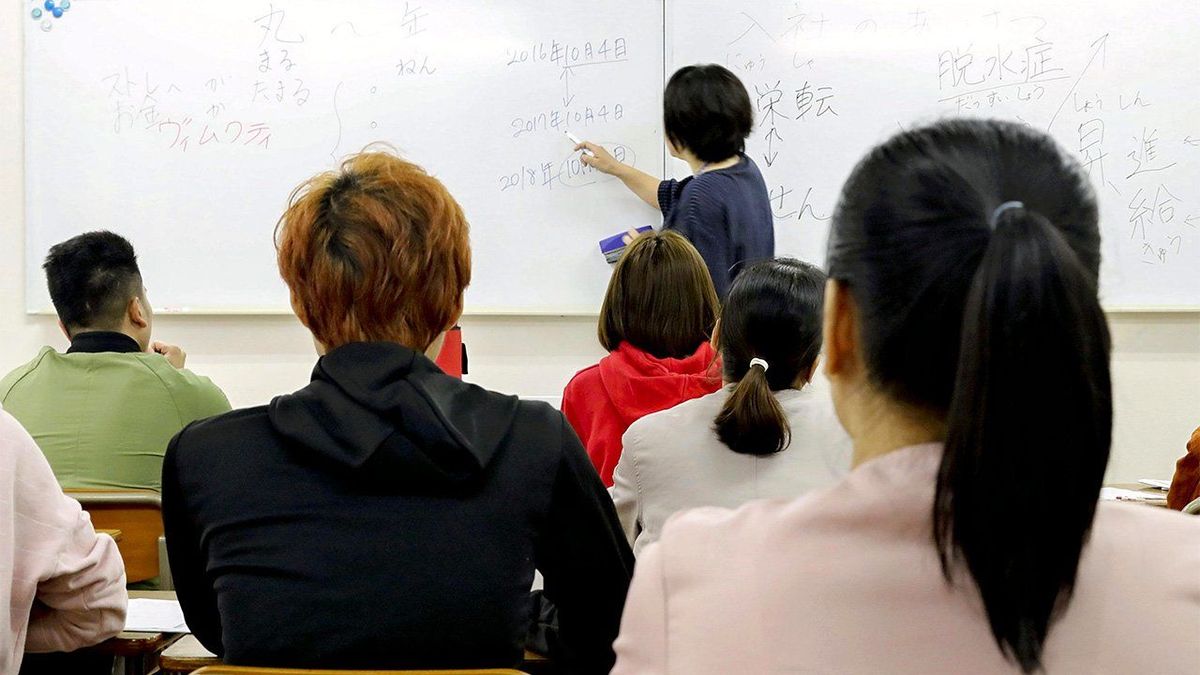
Japanese language courses are designed to support the development of communication skills related to listening, speaking, reading, and writing in Japanese. Course scope varies depending on instructional level, learner background, and educational setting.
General objectives may include:
The depth and pace of instruction depend on course design rather than a universal standard.
Japanese courses offered within a local area may be delivered through different instructional formats, including:
The availability of these formats varies by location and provider.
Japanese language courses commonly include structured instruction in several key areas:
Curriculum balance differs based on educational objectives and learner level.
Japanese language education is supported globally through academic institutions and cultural organizations that promote language learning and intercultural understanding.
Organizations providing general educational and cultural resources include:
These organizations support language education initiatives but do not manage individual local courses.
The phrase “Japanese courses near me” broadly describes local opportunities for studying the Japanese language across various instructional formats and educational settings. Such courses typically address language fundamentals, communication skills, and cultural context within structured learning environments.
As language education continues to adapt to community needs and educational frameworks, local Japanese courses may vary in structure, delivery, and curriculum focus. Understanding their general characteristics supports informed discussion of language learning options.
What does “Japanese courses near me” usually refer to?
It refers to Japanese language learning opportunities available within a specific geographic area.
Are all Japanese courses the same?
No. Course content, format, and instructional depth vary by provider and learner level.
Do these courses focus only on speaking?
Most courses address speaking, listening, reading, and writing to varying degrees.
Is cultural content part of Japanese courses?
Many courses include cultural context as part of language instruction.
Are local courses always in person?
Not necessarily. Some programs use hybrid or partially digital formats.