 By Dr. Kenji Tanaka
Neuroscientist and anatomy professor who creates immersive 3D learning tools for medical students.
By Dr. Kenji TanakaNeuroscientist and anatomy professor who creates immersive 3D learning tools for medical students.
MRI Certification Programs are structured educational and professional preparation pathways designed to support learning and credentialing in the field of magnetic resonance imaging (MRI). These programs focus on academic knowledge, technical understanding, and professional standards related to MRI technology, without implying employment outcomes or clinical authority beyond educational scope.
Magnetic resonance imaging plays a critical role in modern diagnostic healthcare, and certification‑oriented education supports standardized knowledge development and professional accountability within imaging environments.
MRI certification programs are typically designed for individuals seeking formal recognition of their knowledge and competencies in magnetic resonance imaging. These programs may be offered by educational institutions, professional organizations, or accredited training providers.
The structure of MRI certification programs varies, but they commonly combine academic coursework, technical theory, and assessment frameworks aligned with professional imaging standards.
MRI certification programs are developed with defined educational objectives that emphasize academic preparation and professional awareness. Common objectives include:
Educational outcomes focus on competency development rather than clinical independence or employment guarantees.
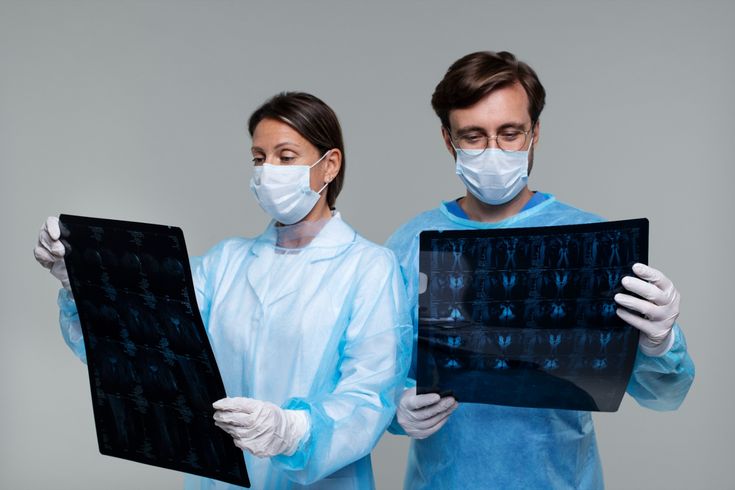
While curricula vary by provider and certification focus, most MRI certification programs include several foundational subject areas.
Courses typically address magnetic fields, radiofrequency systems, signal generation, and image reconstruction principles.
Learners study cross‑sectional anatomy and the application of MRI techniques to different anatomical regions.
Instruction emphasizes safety considerations, including magnetic field hazards, screening procedures, and contrast awareness.
Programs often address factors affecting image quality and protocol selection within standardized imaging frameworks.
MRI certification programs may be delivered through a range of instructional formats, including:
Online MRI certification programs commonly focus on theoretical knowledge while recognizing the importance of supervised practical experience.
Through structured MRI certification education, learners may develop competencies such as:
These competencies support professional development within regulated healthcare environments.
MRI certification programs contribute to the broader medical imaging education ecosystem by promoting standardized knowledge and professional consistency. Certification‑aligned education supports quality assurance and ongoing professional development in imaging services.
Such programs also encourage lifelong learning as imaging technologies and clinical guidelines continue to evolve.
Individuals exploring MRI certification programs may consider several educational and practical factors, including:
Careful evaluation helps ensure that educational choices align with personal learning goals and professional expectations.
Certification education is often part of a broader continuing professional development framework. MRI certification programs support knowledge updates, professional accountability, and ongoing engagement with imaging standards.
Continued education contributes to adaptability and sustained competence in rapidly evolving imaging environments.
MRI certification programs are commonly integrated within broader imaging education pathways, such as:
These connections support coherent educational progression across imaging disciplines.
MRI Certification Programs provide structured educational pathways that support knowledge development, professional standards, and technical understanding in magnetic resonance imaging. By emphasizing safety, academic rigor, and ethical practice, these programs contribute to the quality and consistency of imaging education.
As part of the medical imaging education continuum, MRI certification programs play an important role in supporting responsible and informed participation in healthcare imaging services.
Q1: What are MRI Certification Programs?
A: They are educational and assessment‑based programs designed to support formal recognition of knowledge in magnetic resonance imaging.
Q2: Do MRI certification programs guarantee employment?
A: No. These programs provide education and certification preparation; employment outcomes depend on multiple external factors.
Q3: Are MRI certification programs available online?
A: Many programs offer online or hybrid formats, particularly for theoretical instruction.
Q4: Who typically enrolls in MRI certification programs?
A: Participants often include imaging professionals or learners seeking specialization or formal credential recognition.
Q5: Why is MRI certification education important?
A: It supports standardized knowledge, safety awareness, and professional accountability within medical imaging.