 By Dr. James Wilson
Renowned surgeon and professor dedicated to training the next generation of surgical leaders.
By Dr. James WilsonRenowned surgeon and professor dedicated to training the next generation of surgical leaders.
A radiology assistant course provides structured education for individuals seeking to build a career in medical imaging and diagnostic support services. Radiology assistants play an important role in healthcare settings by supporting radiologic technologists and radiologists in imaging procedures, patient preparation, and workflow coordination. As medical imaging continues to be a critical component of modern healthcare, trained radiology assistants are increasingly valued across hospitals, clinics, and diagnostic centers.
Career-focused radiology assistant courses emphasize practical skills, patient-centered care, and clinical support competencies aligned with real-world healthcare environments.
A radiology assistant course is a specialized healthcare training program designed to prepare learners for support roles within radiology departments. These courses focus on the non-diagnostic and non-interpretive aspects of medical imaging services, allowing radiology assistants to work closely with licensed imaging professionals.
Unlike purely academic healthcare programs, a career-oriented radiology assistant course combines foundational medical knowledge with hands-on skills relevant to daily clinical operations.
Programs offering radiology assistant training typically focus on developing the following essential competencies:
These skills enable radiology assistants to support efficient and safe imaging services.
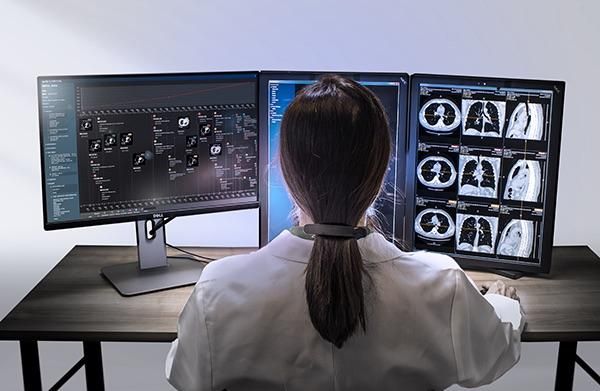
A comprehensive radiology assistant course introduces learners to key clinical and technical concepts, such as:
Career-focused training emphasizes applied knowledge rather than diagnostic decision-making.
Completing a radiology assistant course can prepare learners for a variety of entry-level healthcare roles, including:
These roles are commonly found in hospitals, outpatient imaging centers, specialty clinics, and diagnostic laboratories.
Radiology assistant courses are offered in several flexible formats to accommodate different learner needs, such as:
These formats help learners balance education with personal or professional commitments.
Choosing a radiology assistant course offers several advantages for individuals interested in healthcare careers:
Radiology assistant training can serve as a stepping stone toward long-term careers in healthcare.
Radiology assistant courses are suitable for a wide range of learners, including:
Most programs are designed to support learners with limited prior healthcare experience.
Learning to work in a clinical imaging environment can present challenges, including understanding medical terminology and patient-care protocols. Effective radiology assistant courses address these challenges by offering:
These features help learners build confidence in real healthcare settings.
Q: Is a radiology assistant course suitable for beginners?
A: Yes. Many courses are designed for individuals with no prior medical imaging experience.
Q: Does a radiology assistant diagnose medical conditions?
A: No. Radiology assistants support imaging procedures but do not interpret images or diagnose conditions.
Q: How long does a radiology assistant course take?
A: Program length varies depending on format and learning pace.
Q: Can a radiology assistant course lead to career advancement?
A: Yes. It can serve as a foundation for further education in radiologic technology or healthcare fields.
A radiology assistant course provides a practical and accessible pathway into the medical imaging field. Through structured education, clinical skill development, and patient-focused training, learners can prepare for supportive roles within radiology departments. Whether used as an entry point into healthcare or as a step toward advanced imaging careers, radiology assistant training offers meaningful opportunities in modern medical environments.