 By Ama Mensah
ESL (English as a Second Language) specialist empowering adult learners through conversational practice.
By Ama MensahESL (English as a Second Language) specialist empowering adult learners through conversational practice.
Diagnostic imaging courses are designed to prepare learners for professional roles within the medical imaging and diagnostic healthcare field. Diagnostic imaging plays a vital role in modern medicine by enabling healthcare providers to visualize internal structures, support accurate diagnosis, and guide treatment decisions. As healthcare systems continue to expand and modernize, demand for trained diagnostic imaging professionals continues to grow.
Career-focused diagnostic imaging courses emphasize practical skills, technical knowledge, and clinical readiness, helping learners develop competencies that align with real-world healthcare environments.
Diagnostic imaging courses are structured educational programs that teach the principles, technologies, and clinical practices used in medical imaging. These courses introduce learners to various imaging modalities and the role imaging plays in patient care and clinical decision-making.
Unlike purely theoretical healthcare studies, career-oriented diagnostic imaging courses focus on applied learning. Students gain an understanding of imaging workflows, patient interaction, safety protocols, and the operation of imaging equipment commonly used in clinical settings.
Programs offering diagnostic imaging training typically focus on building the following essential skills:
These skills support safe, efficient, and patient-centered imaging services.
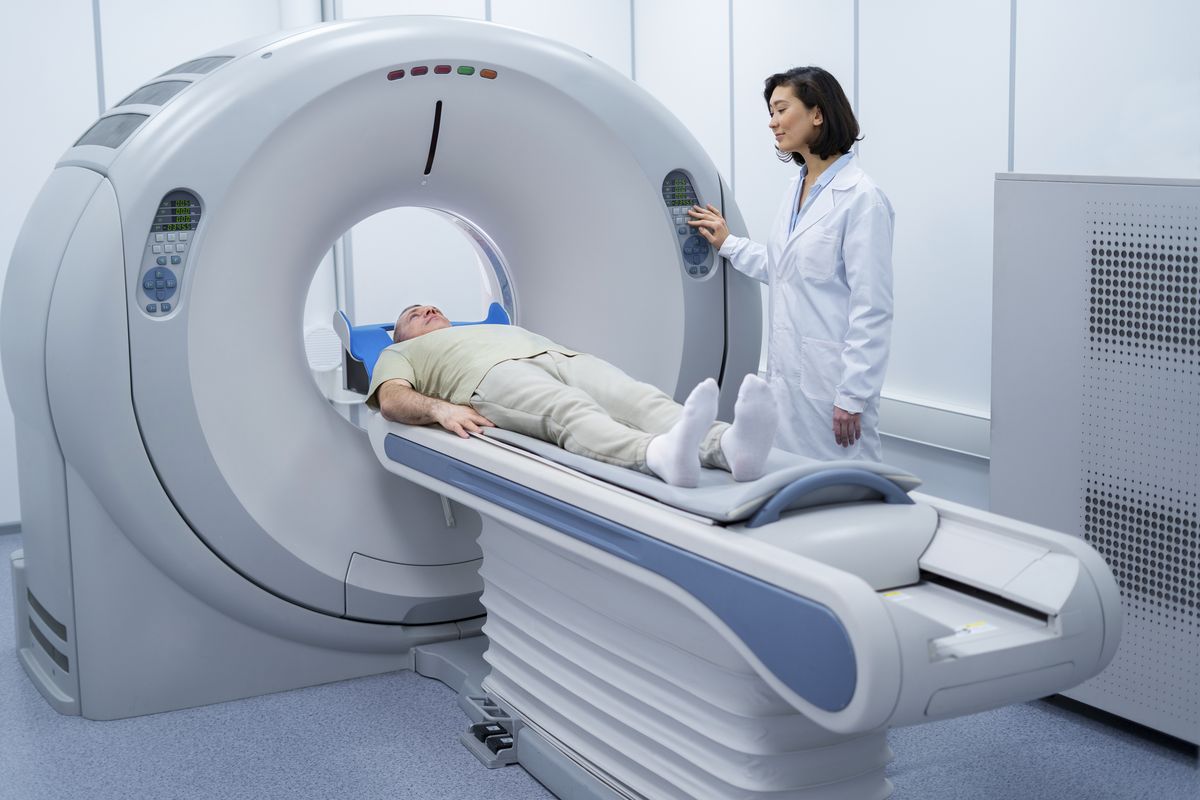
A comprehensive diagnostic imaging course introduces learners to multiple imaging technologies and clinical applications, such as:
Career-focused courses emphasize conceptual understanding and clinical context rather than image interpretation.
Completing diagnostic imaging courses can prepare learners for a variety of entry-level and support roles in healthcare, including:
Graduates may work in hospitals, outpatient imaging centers, specialty clinics, and diagnostic laboratories.
Diagnostic imaging courses are available in several flexible formats to meet different learner needs, such as:
Blended learning formats are commonly used to combine theoretical knowledge with practical skill development.
Choosing diagnostic imaging courses offers several advantages for individuals pursuing healthcare careers:
Diagnostic imaging education provides a pathway into essential roles within the healthcare system.
Diagnostic imaging courses are suitable for a wide range of learners, including:
Many programs are designed to support learners with minimal prior healthcare experience.
Training in diagnostic imaging can be challenging due to technical equipment, clinical protocols, and patient-care responsibilities. Effective diagnostic imaging courses address these challenges by providing:
These elements help learners develop confidence and clinical readiness.
Q: Are diagnostic imaging courses suitable for beginners?
A: Yes. Many courses are designed for learners with no prior experience in medical imaging.
Q: Do diagnostic imaging courses train students to diagnose conditions?
A: No. These courses focus on imaging procedures and support, not medical diagnosis.
Q: How long do diagnostic imaging courses take?
A: Program length varies depending on course format and training depth.
Q: Can diagnostic imaging courses lead to career advancement?
A: Yes. They can serve as a foundation for further education in radiologic technology or advanced imaging specialties.